The History of
Our Lady of Life
A forgotten devotion
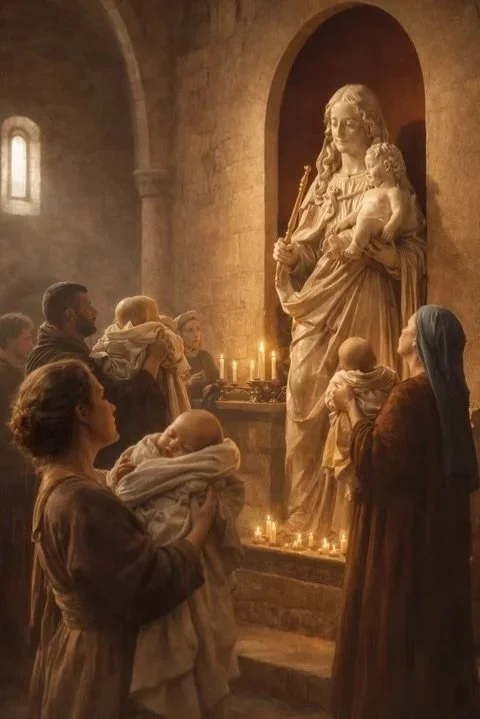
Notre Dam de Vie
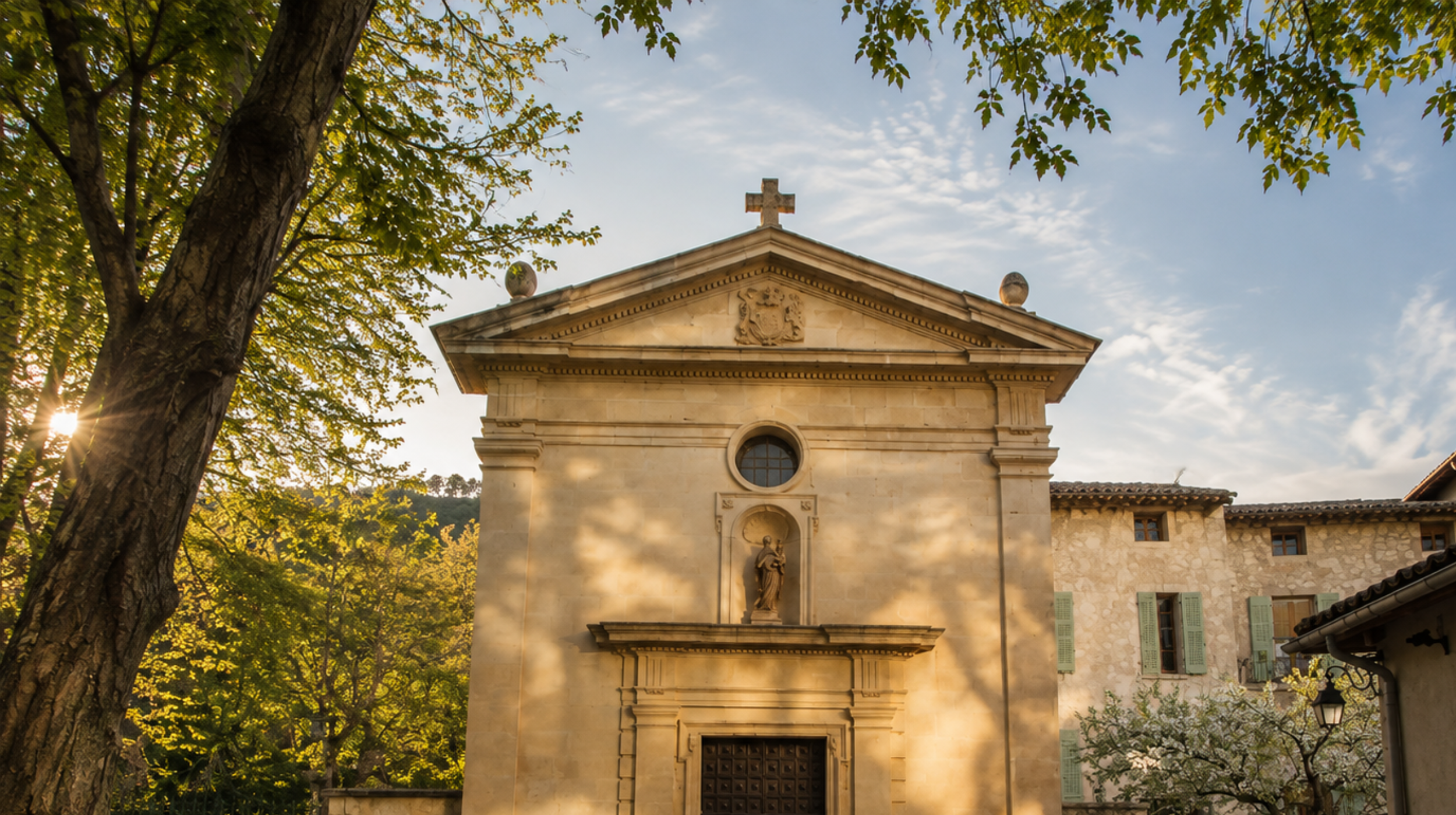
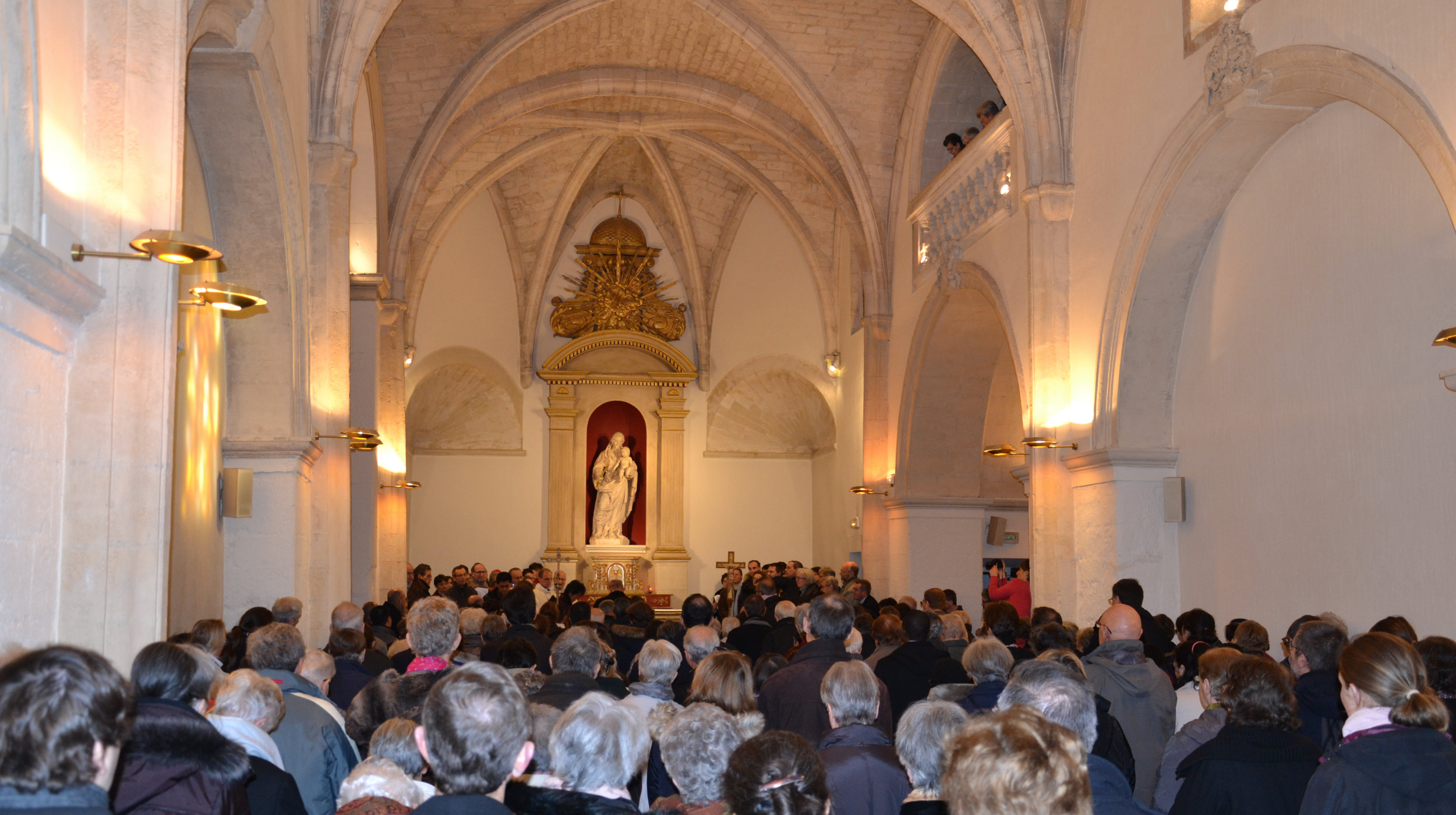
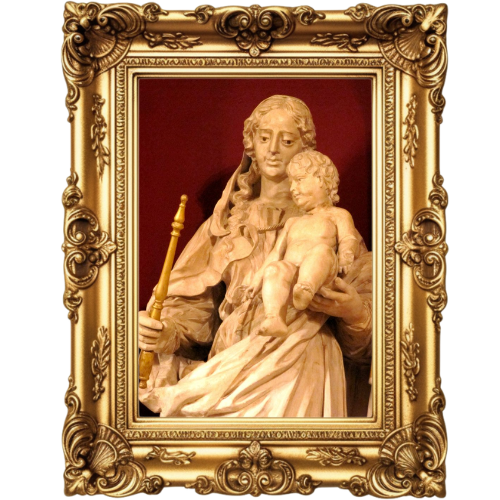
Rooted in the quiet hills of Provence, devotion to Our Lady of Life—known in France as Notre-Dame de Vie—dates back centuries to a small sanctuary near Venasque, where the faithful began entrusting mothers and children to the Blessed Virgin Mary’s care. Pilgrims would journey there, bringing infants and praying for safe pregnancies, recognizing Mary under this title as the one chosen to bear Life Himself, Jesus Christ, in her womb. Over time, the shrine became a place of deep intercession and quiet miracles, where families sought protection, healing, and hope. This ancient devotion reveals a profound truth: from the earliest days of the Church, Christians have turned to Mary as a mother who safeguards life from its very beginning.
This devotion invites us not only to seek her protection, but to enter into a deeper union with her, living our own “fiat” as she did. Through her intercession, hearts are softened, mothers are strengthened, and hope is restored where fear once lived. She kneels with us in prayer before Our Lord, drawing us closer to Him and forming in us a reverence for life that transforms how we see the world. Our Lady of Life is not only a title of the past, but a call for our time, a sign of hope in a culture of death, leading us back to truth, beauty, and the sanctity of every human life.
Her feast is celebrated January 27th
The Origins of the Devotion to Our Lady of Life
Ancient Roots
The devotion to Our Lady of Life has roots reaching back to the earliest centuries of Christianity in Venasque, France. By the end of the fourth century, a Christian community was already established in the region, evidenced by ancient Christian tombs discovered near the village.
Tradition tells us that in the sixth century, Saint Siffrein, a monk who became bishop of the region, built a church dedicated to the Mother of God along the banks of the Nesque River—the place where the Shrine of Notre-Dame de Vie, Our Lady of Life, stands today.
A New Chapter
For centuries, this little church remained a place of prayer and pilgrimage. During the Middle Ages, it was known as Santa Maria de Vico. Over time, its name became Nostra Domina de Vita—Our Lady of Life.
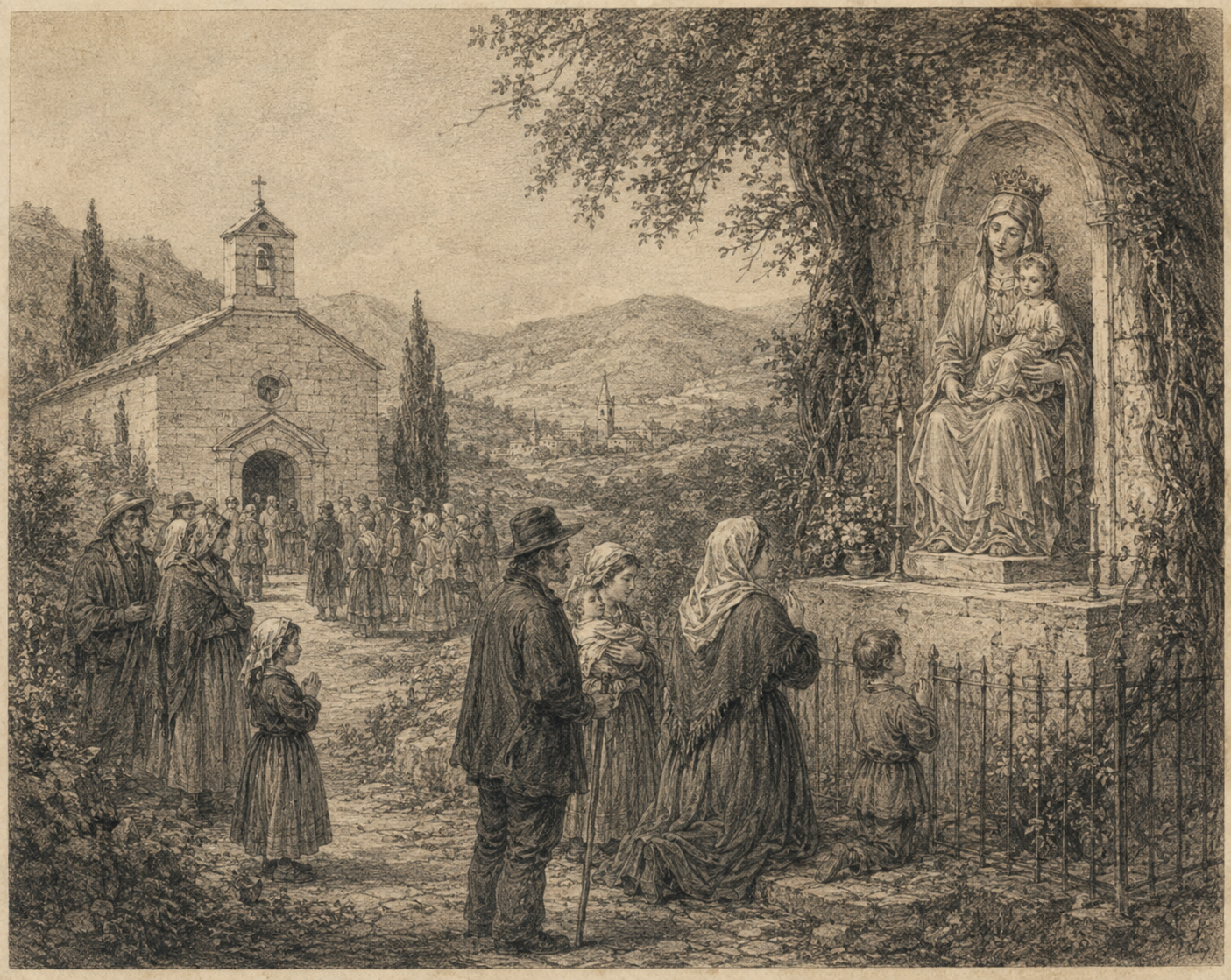
It was here that a beautiful devotion began to flourish. Families entrusted the lives of their little children to the Blessed Virgin Mary, seeking her maternal protection and intercession. Pilgrims came from surrounding villages and parishes, bringing their children, families, and prayers before Our Lady of Life.
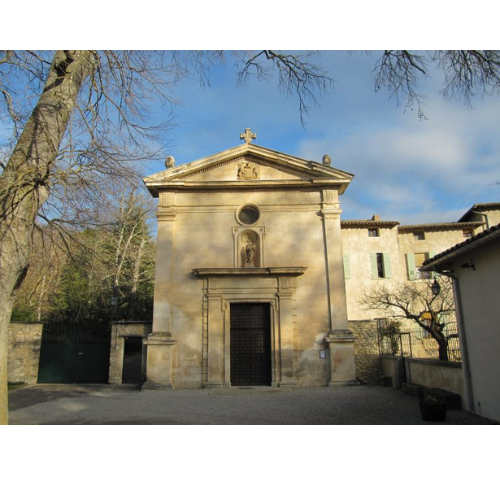
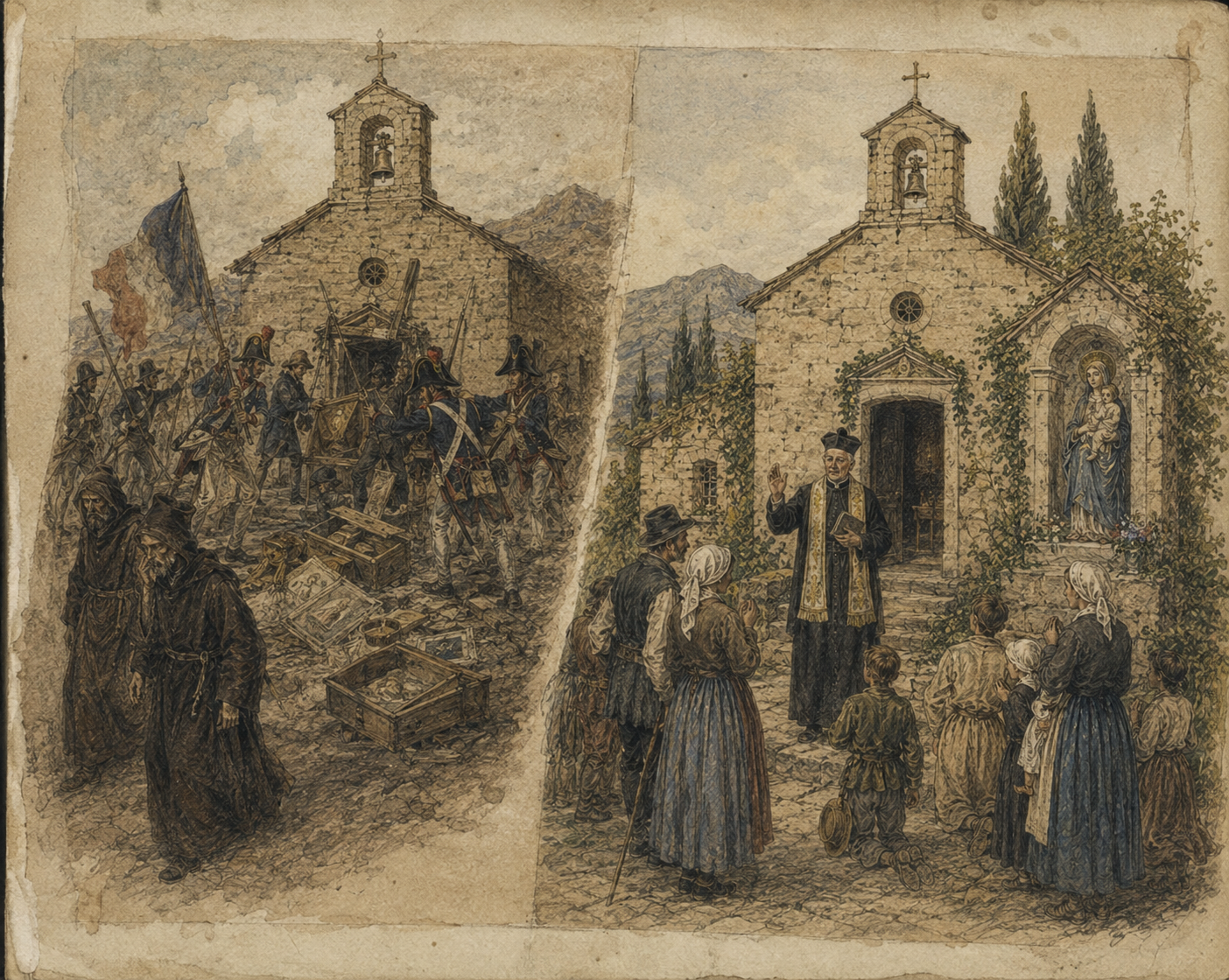
The French Revolution brought tremendous suffering to Venasque. The Minims were driven from the shrine, their monastery was sold, and the future of Notre-Dame de Vie became uncertain.
Yet devotion to Our Lady did not disappear. In 1806, Father Morel, a priest originally from Venasque who had survived the turmoil of the Revolution, purchased Notre-Dame de Vie. With the shrine restored, pilgrims once again began making their way to Our Lady of Life.
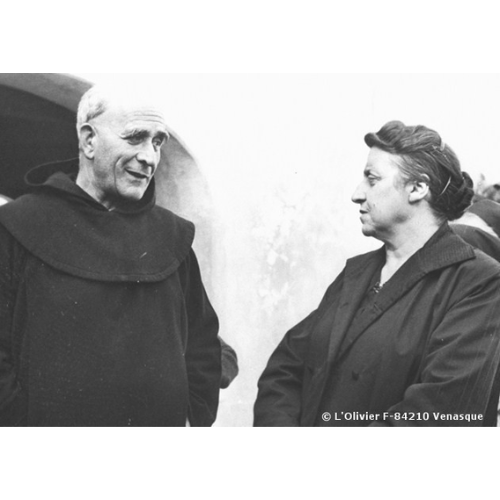
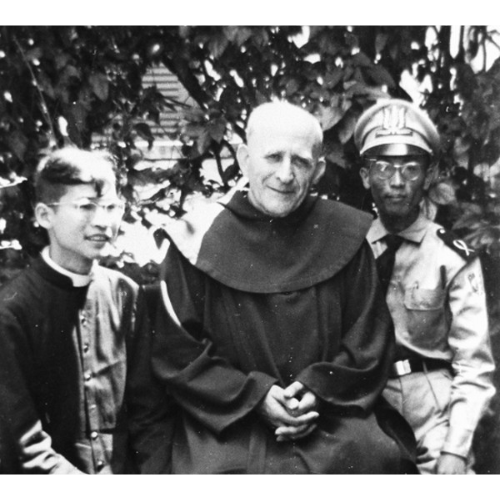
In 1929, Madame Lemaire came to Notre-Dame de Vie with her young daughter, hoping the climate would improve the child's health. Tragically, her daughter died in 1931. Madame Lemaire later entrusted the shrine and its property to Carmelite priest Father Marie-Eugène of the Child Jesus for the establishment of a Carmelite work.
In 1932, Father Marie-Eugène and Marie Pila founded the Institute of Notre-Dame de Vie, transforming the shrine into a place of formation, contemplation, and prayer inspired by the great Carmelite saints.
For centuries, parents, families, and pilgrims have come before Our Lady of Life, entrusting life to the maternal care of the Blessed Virgin Mary. That same devotion continues today.
From the ancient chapel dedicated to the Mother of God to generations of families placing their children beneath her protection, the heart of the devotion has remained the same.
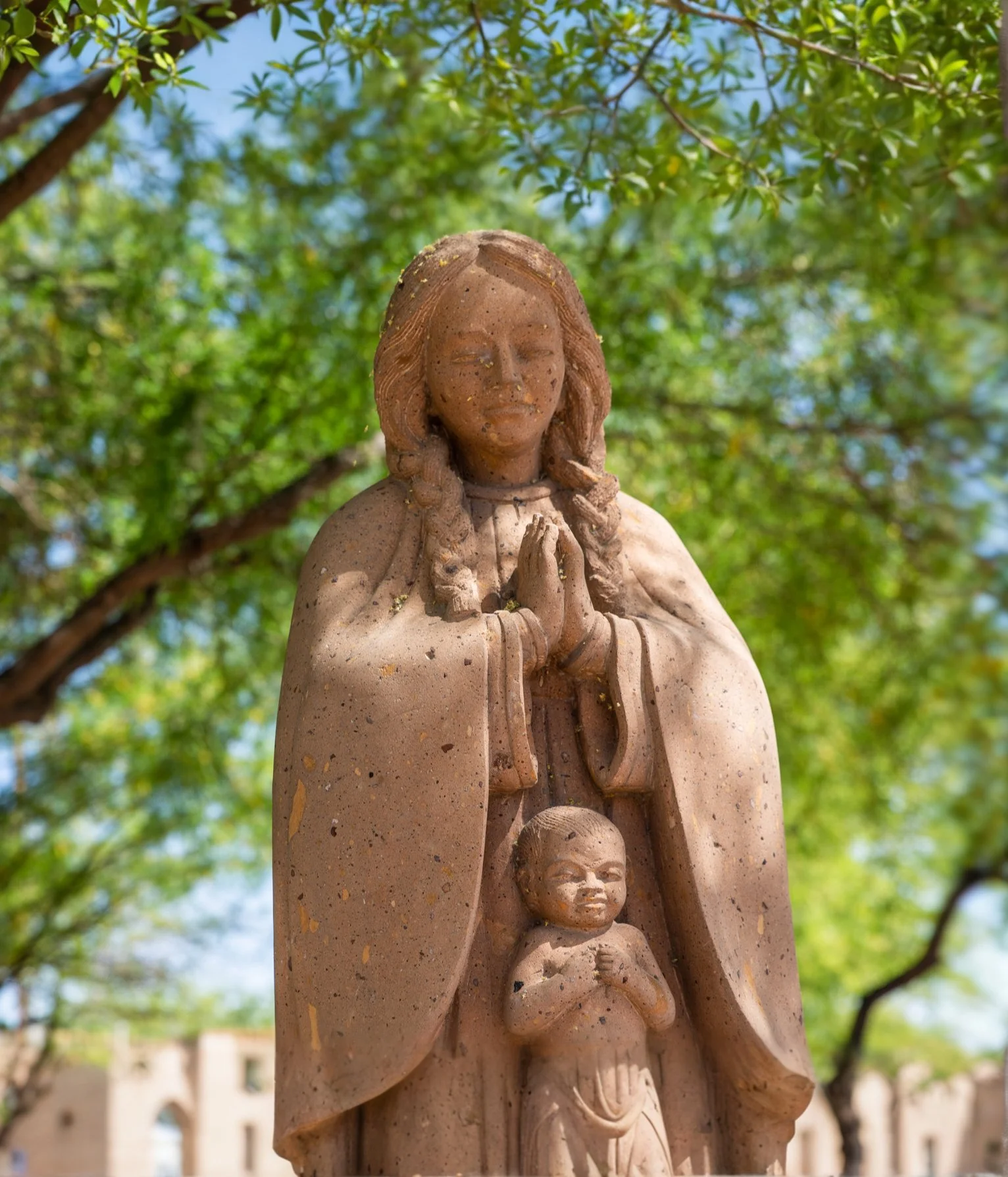
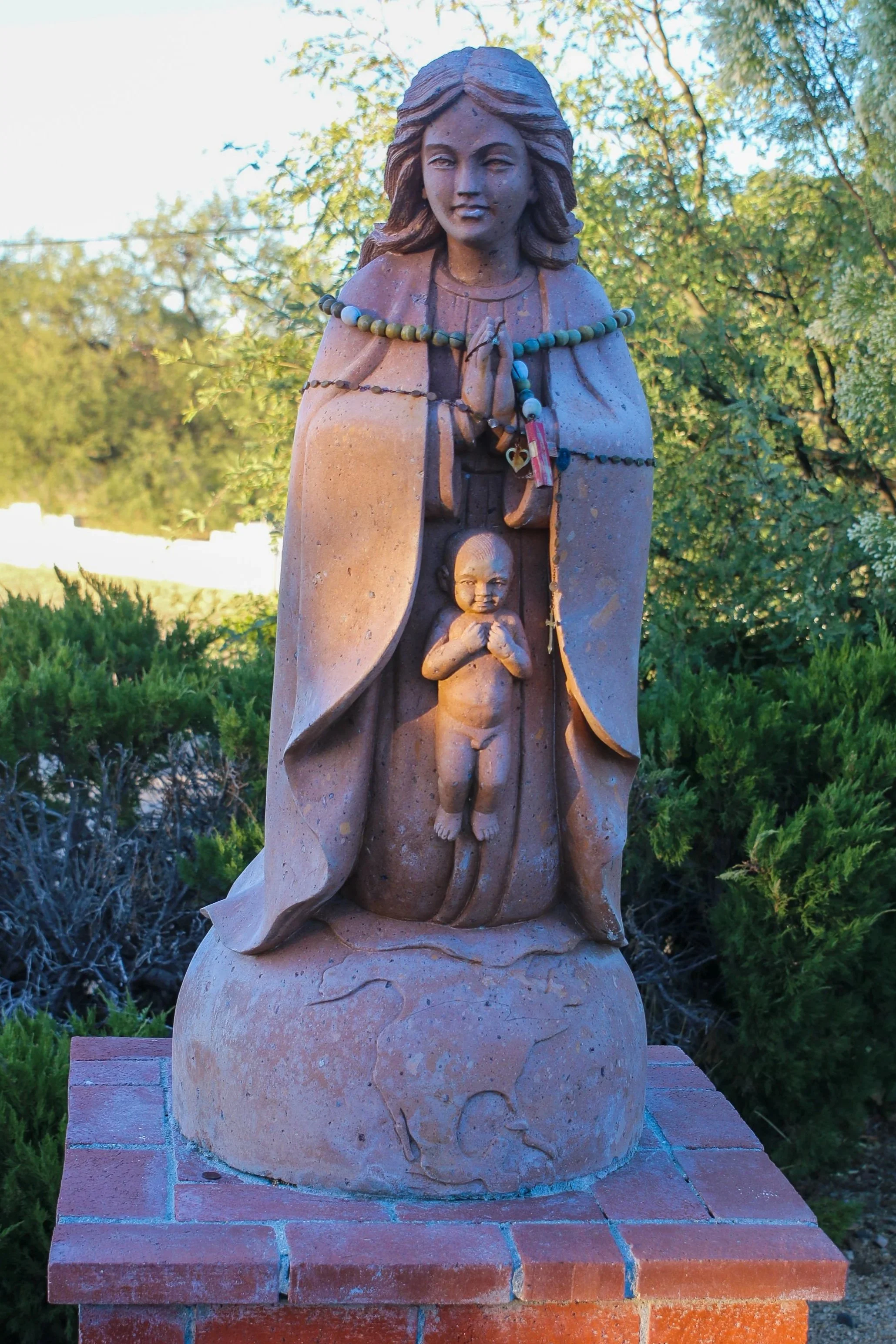
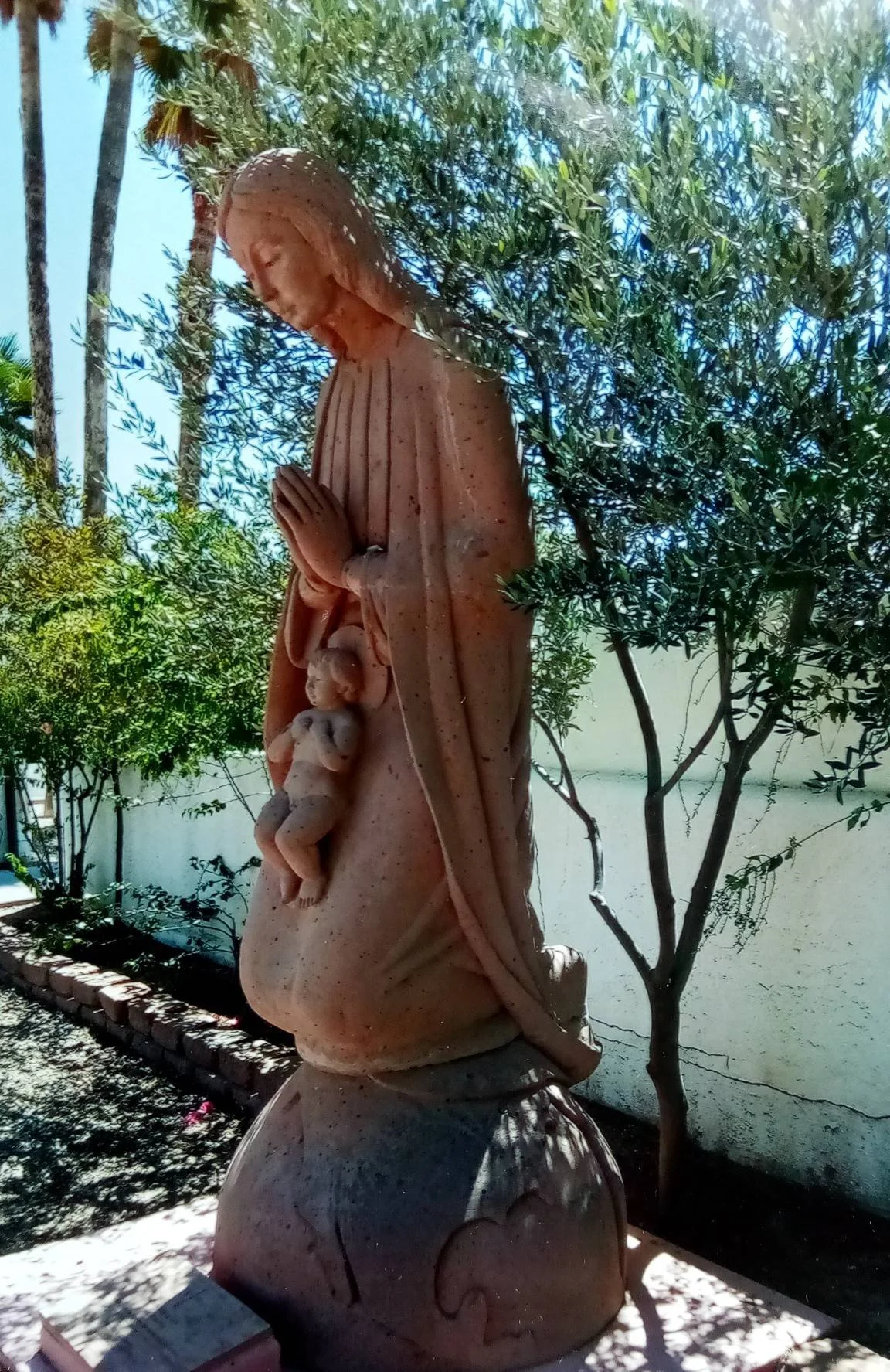
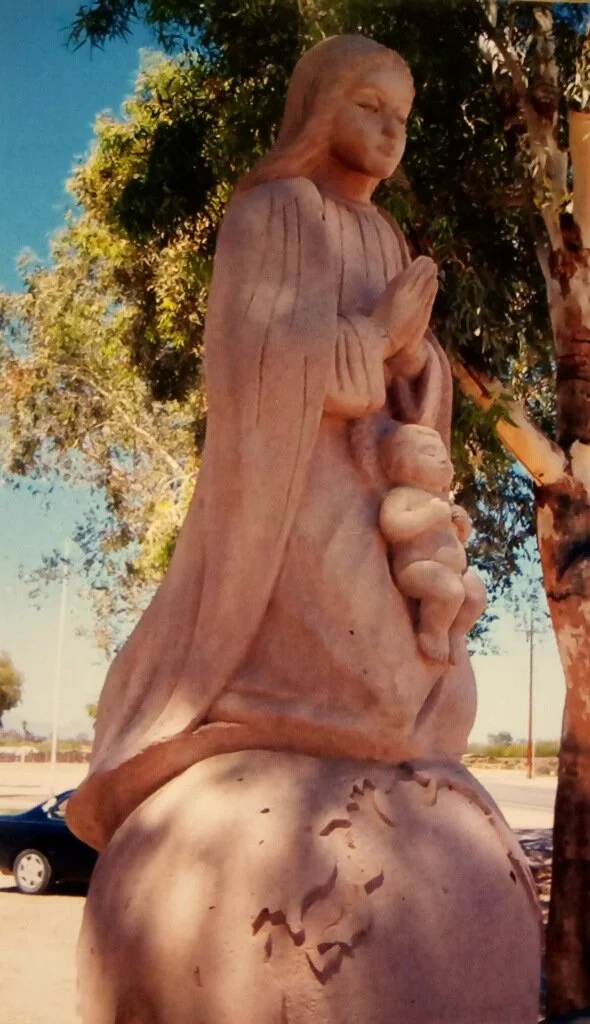
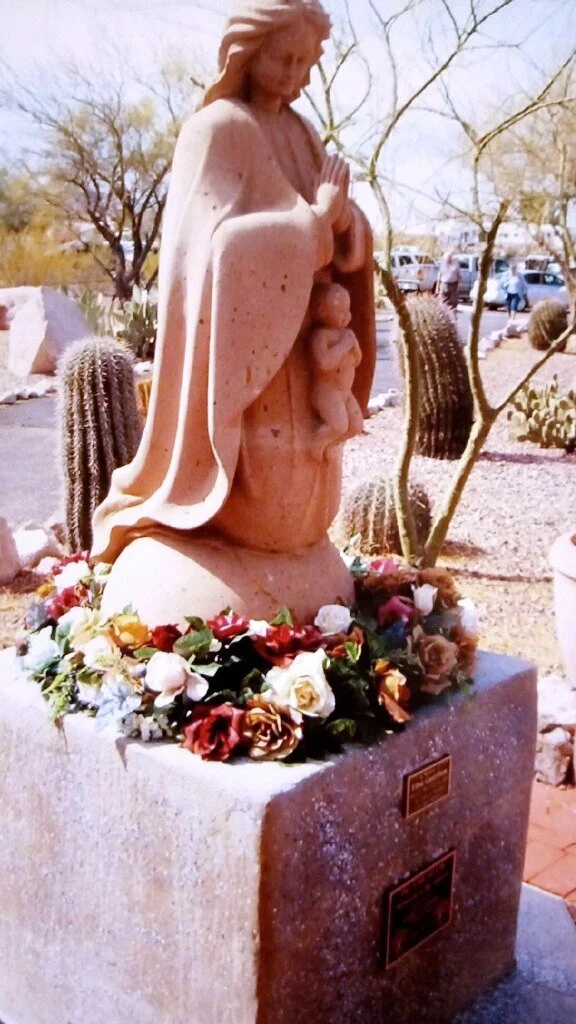
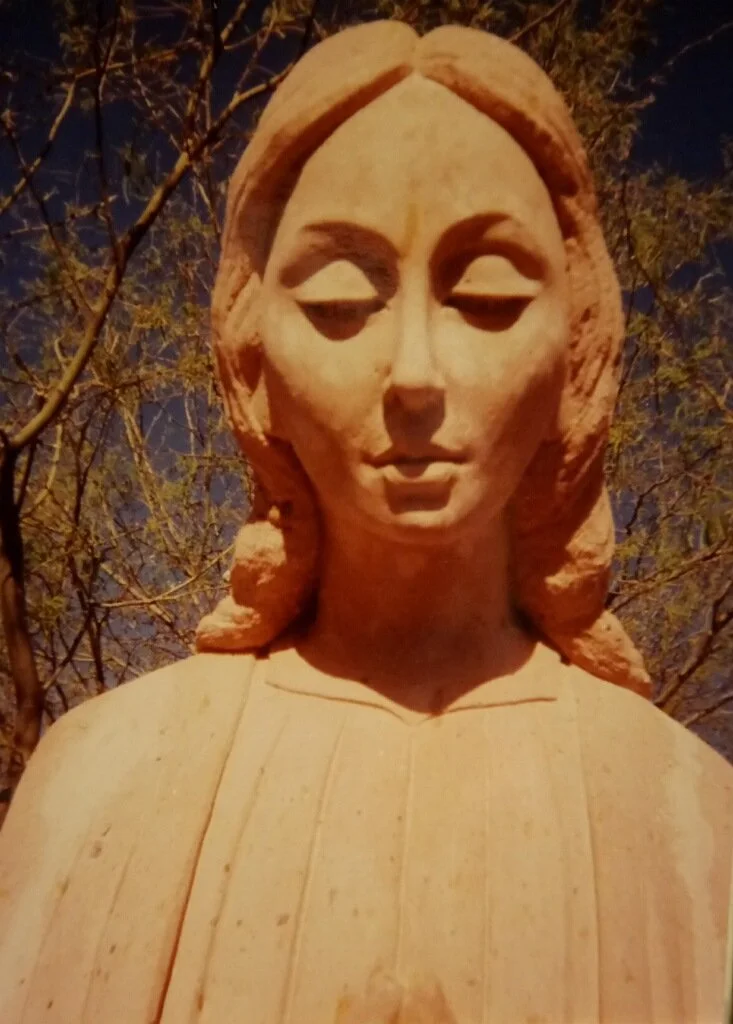
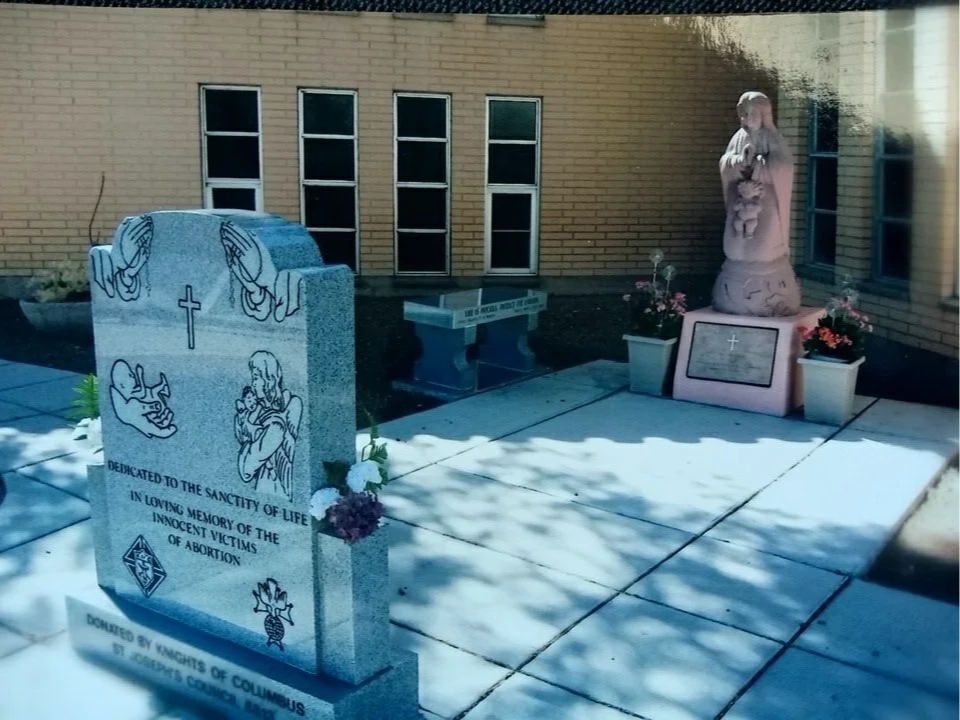
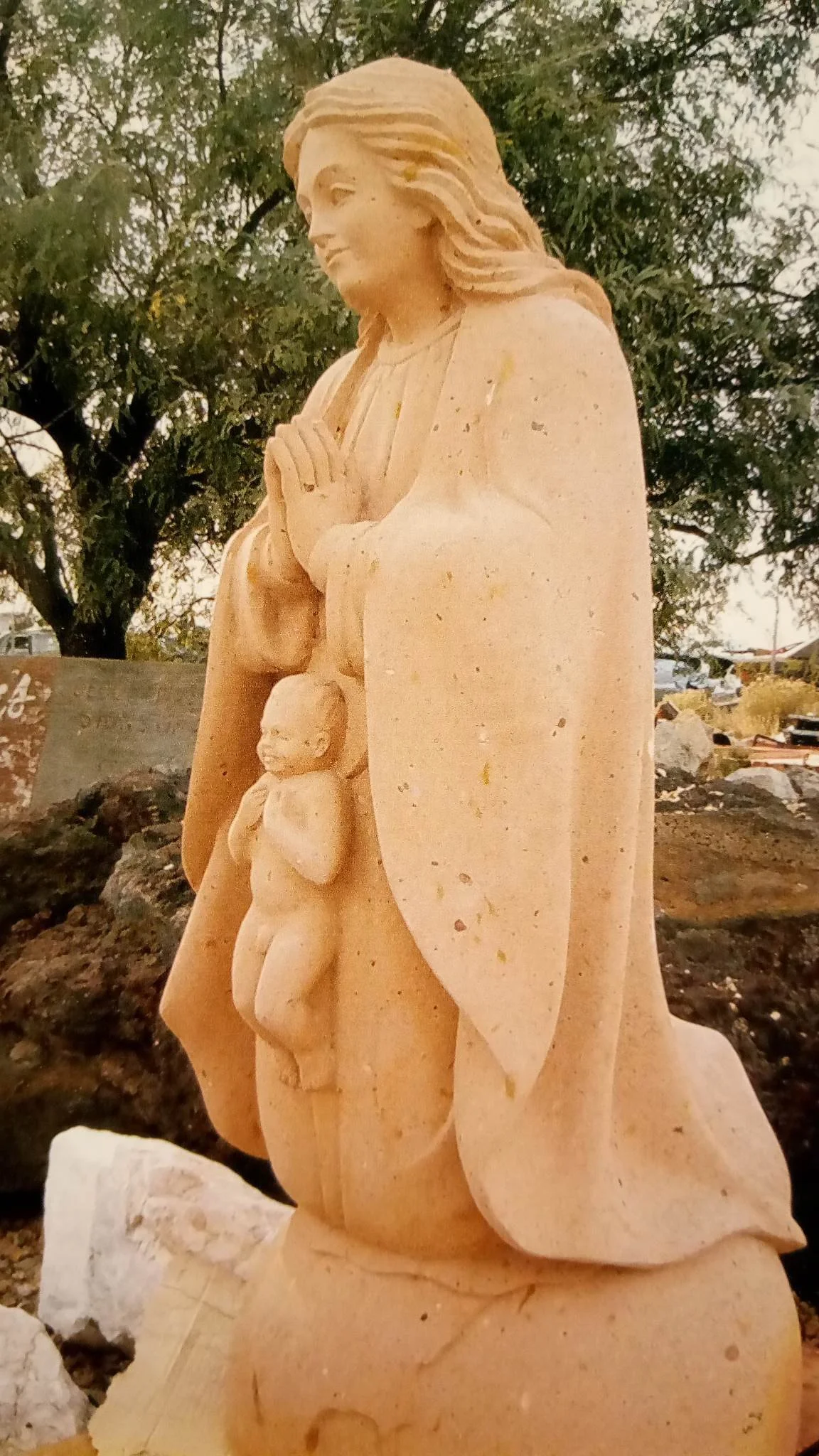
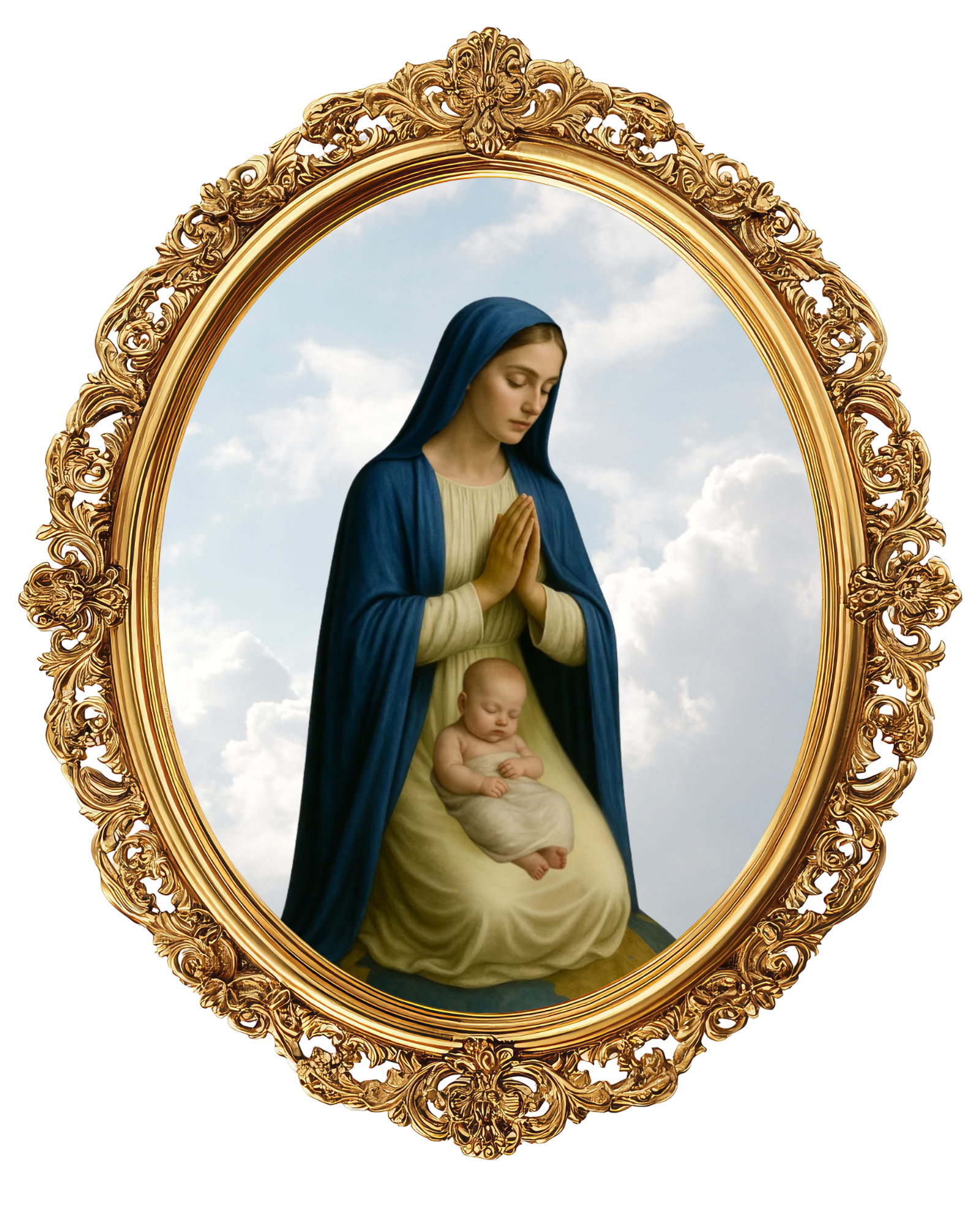
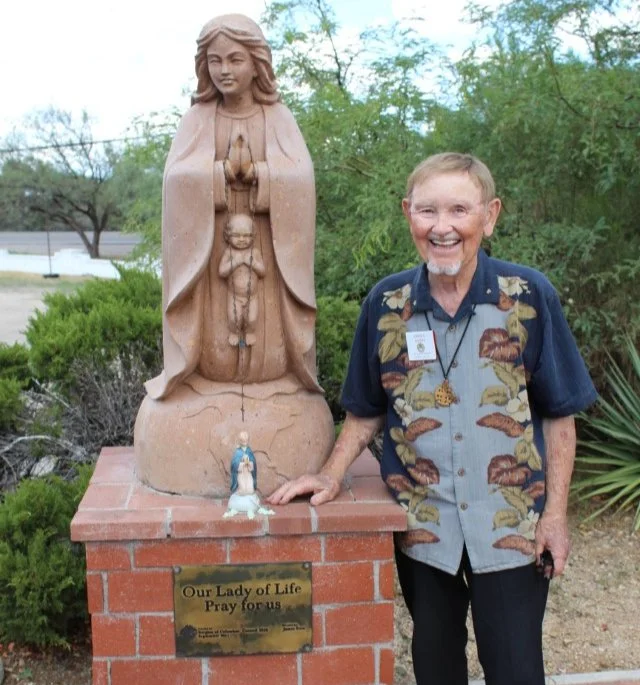
Unbeknownst to James, when Our Lady called him, she was inviting him to help further her apostolate. Though he knew nothing of Our Lady of Life or her mission, she revealed herself through a heavenly image kneeling upon the world in the sky in 1981. Through this miraculous sign, the ministry of Our Lady of Life was born, destined to grow under her maternal guidance.
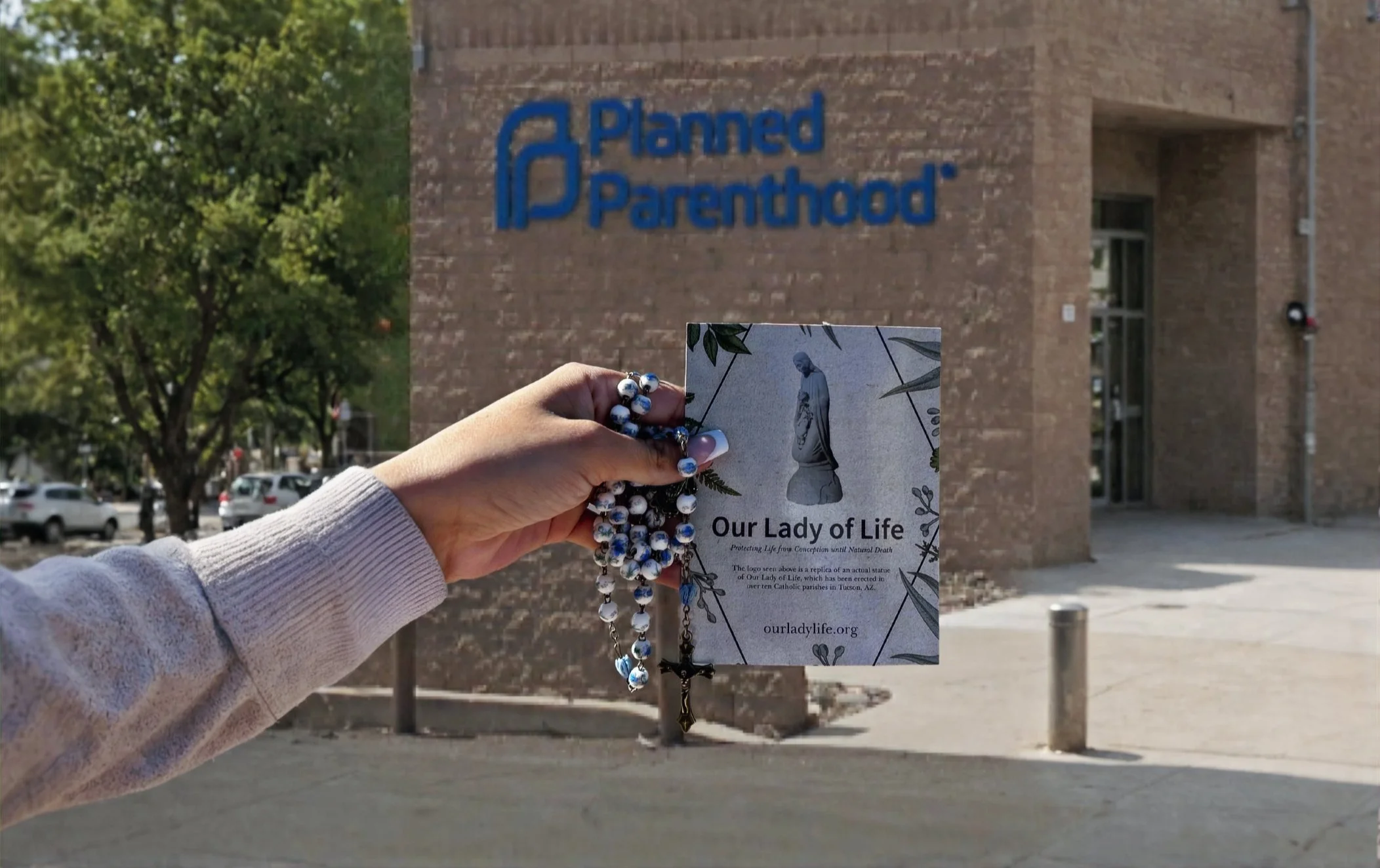
A Place of Pilgrimage
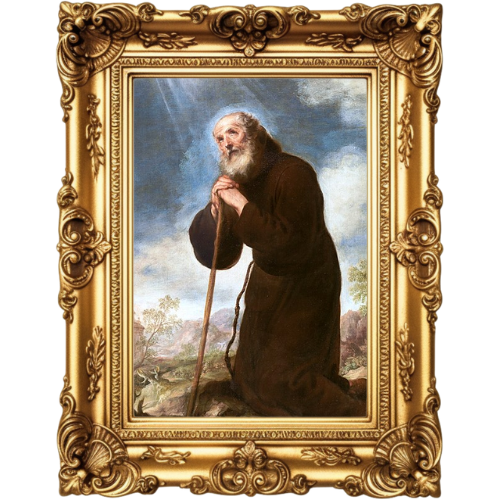
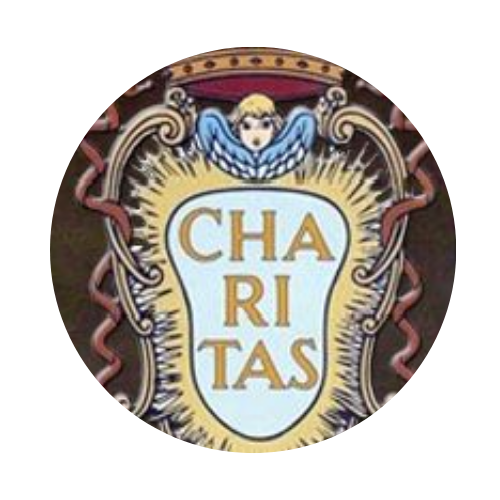
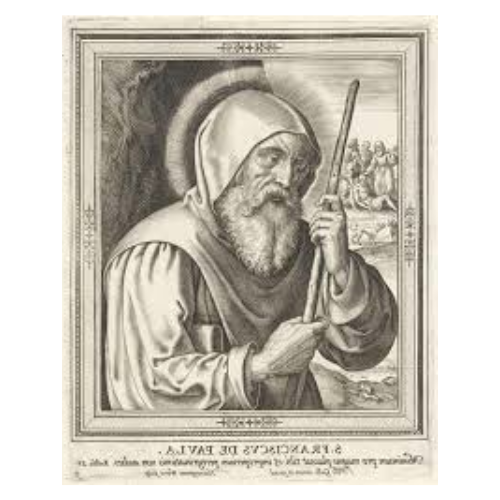
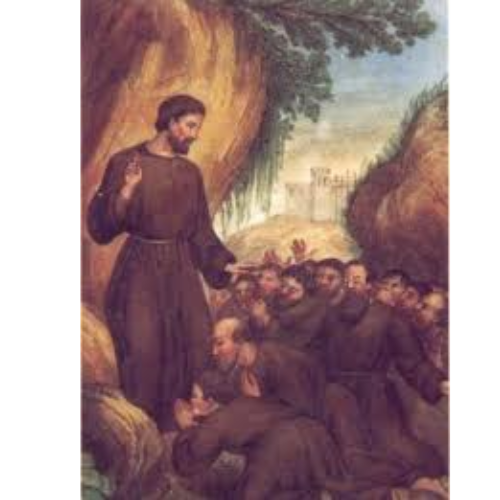
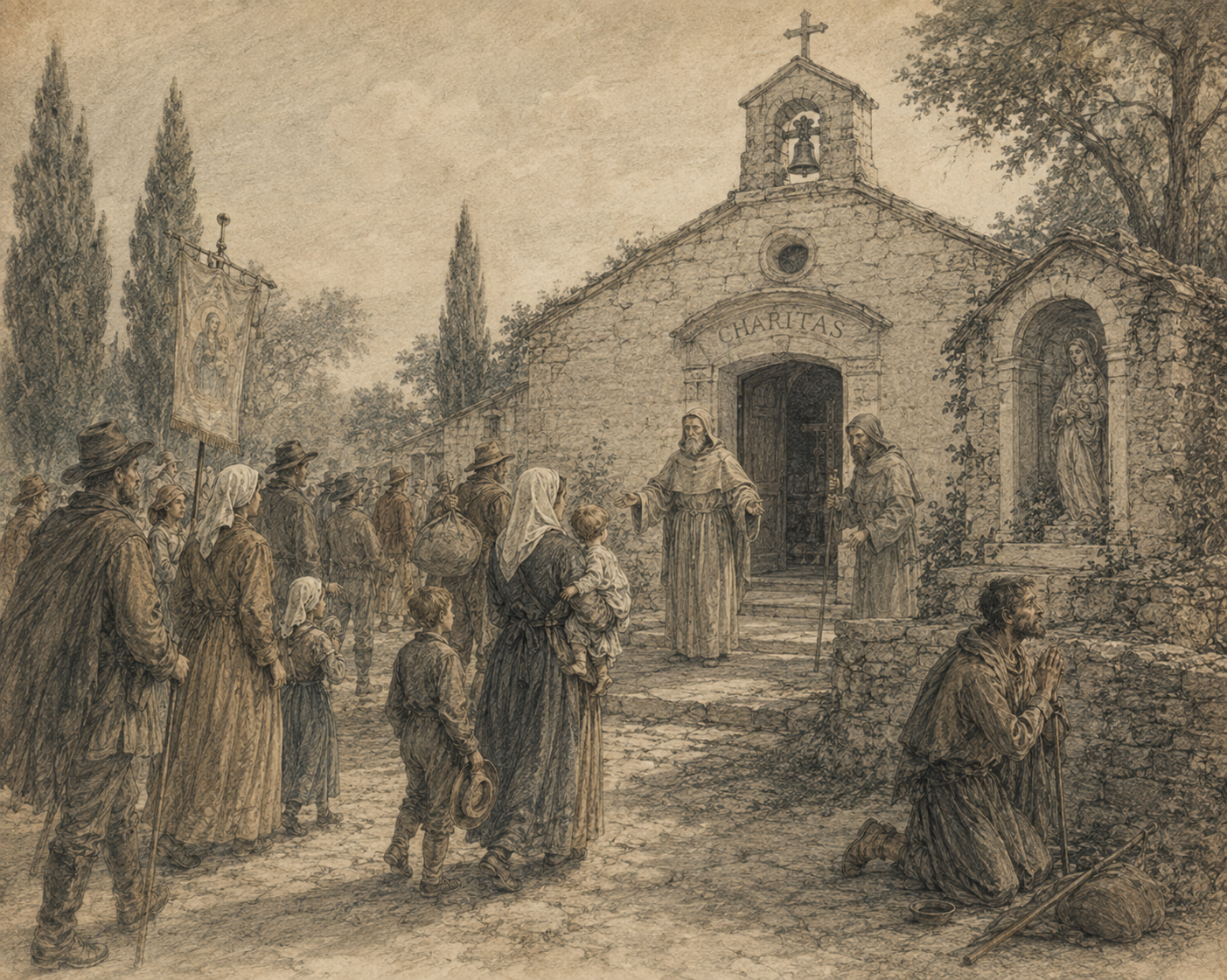
In 1613, the Order of Minims, followers of Saint Francis of Paola, were called to care for the newly rebuilt shrine and welcome its growing number of pilgrims. Their motto, Charitas—“Charity”—can still be found inscribed within the chapel.
Generations continued to make pilgrimages to Our Lady of Life, including Saint Benedict-Joseph Labre, who stopped at the shrine for an extended time of prayer.
A Devotion That Endured
The Devotion Continues
Our Lady of Life
-
![]()
St. Kateri Tekakwitha Parish, Tucson
-
![]()
St. Helen Parish - Tucson, AZ
-
![]()
Holy Family Catholic Church
-
![]()
St. Christopher Parish - Marana, AZ
-
![]()
Our Lady of Fatima Parish - Tucson
-
![]()
St. John the Evangelist - Tucson
-
![]()
St. Joseph Parish - Tucson
-
![]()
Santa Catalina Parish - Tucson